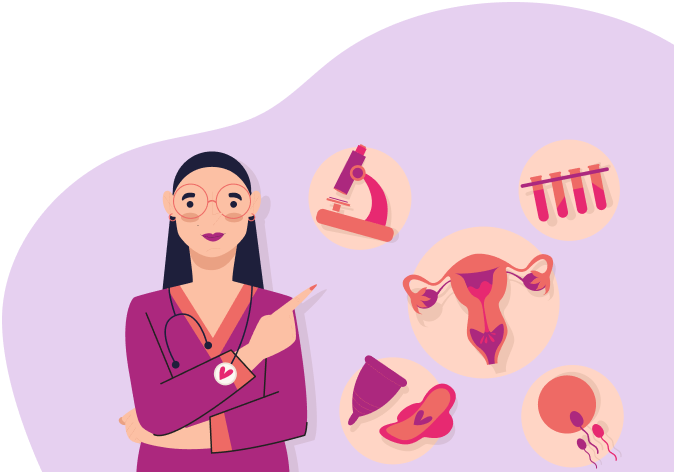
Menarche, which is just the medical name for a first period usually happens when girls are between 10 and 15 years old. In the United States the average age is 12 (American College of Obstetricians and Gynecologists 2022). The timing depends on things like family history, body weight and health. Because of this two girls in the family might start their first period years apart and that is perfectly fine.
What Your First Period May Look Like
A period does not usually look like what you see on TV shows. The blood flow is often very light. It might even look like dark red spots instead of bright red blood. Many girls see drops in their underwear before any real bleeding starts. The total amount of blood lost during a period is actually quite small. It is usually about two or three tablespoons over a few days even if it feels like a lot more. Some girls might get cramps. Others will not. Some girls say their lower stomach feels a little uncomfortable, while other girls feel nothing at all. Since the body is still adjusting, the first period can be irregular. It is normal to have a two month gap between periods or to have a period that lasts two days one month and seven days the next. This can happen for one or two years after a girl starts her first period.
Physical Signs That Often Come Before It
Usually breast budding happens first. After that hair starts to grow in the area and under the arms. A first period often arrives two years after breasts start to develop but this time can change. You might also see white vaginal discharge a few months before the first period starts as hormones rise.
Preparing in Advance
Keeping a kit in a backpack or a locker can help stop the stress of an unexpected first period. Good things to pack are pads, a pair of underwear, and a plastic bag to hold used items or dirty clothes. Pads with wings are often easier for beginners than tampons because tampons take practice to use. Parents can help by talking about the period before it actually happens. It is much better to talk about it than to wait until there is a stressful moment in a school bathroom. Reading books together and having talks can help a girl feel less worried than having one quick rushed talk.
When to See a Doctor
Most of the time a first period does not need a doctor. You should only make an appointment if a girl has not started her period by age 15 if she is bleeding through a pad every single hour for a few hours or if the pain is so bad that she cannot walk or go to school.
Frequently Asked Questions
Quick answers to common questions.
Does the first period hurt?
Pain is different for everyone. Many girls do not feel any cramps during their few cycles because the hormones that cause pain have not fully kicked in yet.
How much blood is normal for a period?
The total amount of blood lost during the first period is usually between two and three tablespoons. Pads might look like they have blood because the blood mixes with other fluids.
Can a first period be irregular?
Yes. The length of the cycle and the amount of blood can change a lot during the one or two years after menarche. This is a pattern and not a sign of a problem.
Track It in the App
Your first period does not have to look exactly like anyone else's. Tracking your cycle over time can help you learn your own pattern.