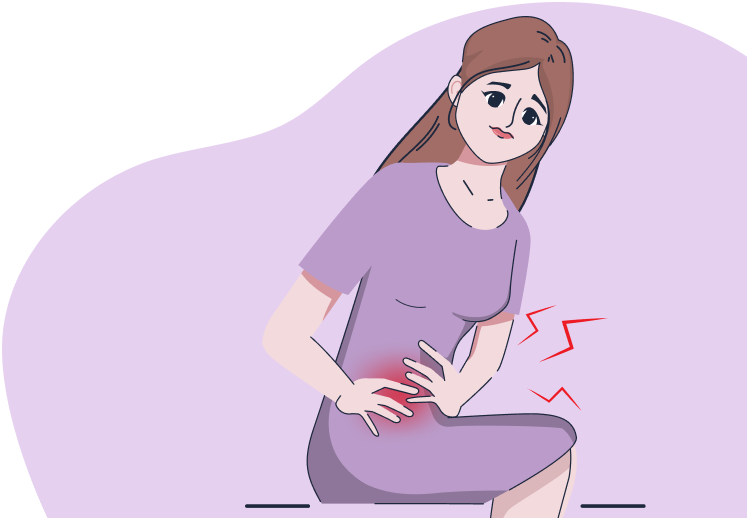
Nonsteroidal anti-inflammatory drugs, including ibuprofen and naproxen, remain the most consistently effective treatment for period cramps according to multiple clinical reviews (Marjoribanks et al., 2015). These medications work by reducing prostaglandins, hormone-like compounds that trigger the uterine contractions responsible for cramping pain.
Medication That Has Strong Evidence Behind It
Ibuprofen, taken at the onset of pain or, more effectively, at the first sign of a period before pain builds, blocks prostaglandin production directly. Naproxen offers a similar mechanism with a longer duration of action, requiring fewer doses across a day. Acetaminophen, while widely used, works through a different pathway and has generally shown weaker results for menstrual pain specifically in comparative studies. Hormonal birth control, including combined oral contraceptives, reduces cramping for many users by thinning the uterine lining and lowering prostaglandin production overall. This option requires a prescription and carries its own set of considerations beyond pain relief alone.
Heat Therapy
Applying heat to the lower abdomen has performed comparably to ibuprofen in at least one randomized trial (Akin et al., 2001). A heating pad, hot water bottle, or adhesive heat patch relaxes the uterine muscle and increases blood flow to the area, which appears to ease pain through a mechanism separate from medication.
Exercise and Movement
Light to moderate exercise, including walking or yoga, has shown modest benefit for period pain in several smaller trials, likely through improved circulation and endorphin release. The evidence here is less robust than for medication or heat, though the intervention carries essentially no downside for those able to participate.
Methods With Weaker or Mixed Evidence
Dietary supplements such as magnesium, omega-3 fatty acids, and vitamin B1 have been studied for period pain, with some trials showing modest benefit and others showing none. The overall evidence remains inconsistent enough that these should be considered secondary options rather than primary treatment. Herbal remedies, including ginger and chamomile tea, appear in some smaller studies with promising results, though sample sizes are generally too limited to draw firm conclusions.
When Cramps Signal Something More
Pain severe enough to prevent normal daily activity, or pain that does not respond to standard doses of over-the-counter medication, can indicate an underlying condition such as endometriosis or uterine fibroids. Cramps that worsen progressively over successive cycles, rather than remaining stable, also warrant medical evaluation rather than continued self-management.
Frequently Asked Questions
Quick answers to common questions.
When is the best time to take ibuprofen for period cramps?
Taking ibuprofen at the very first sign of a period, before pain becomes severe, tends to work better than waiting until pain has already set in, since it interrupts prostaglandin production earlier.
Does heat work as well as medication for period pain?
At least one clinical trial found heat therapy comparable to ibuprofen for pain relief, making it a reasonable option for those who prefer to avoid or supplement medication.
When should period cramps be evaluated by a doctor?
Pain that prevents normal activities, does not improve with standard medication, or worsens over time across multiple cycles should be assessed by a healthcare provider.
Track It in the App
Heat, movement and appropriate pain relief can help with cramps. Severe or worsening pain deserves medical advice.